

4 days berber villages trek
4 Days Berber villages trek
The Berber villages nestled within the High Atlas Mountains of Morocco represent a rich tapestry of culture, history, and natural beauty. Starting with Imlil Valley, a vibrant gateway to this enchanting region, trekkers are offered a unique glimpse into the lives of the Berber people, whose traditions and customs have been preserved over centuries. This area is not only a geographical marvel, boasting stunning landscapes of towering peaks and lush valleys but also a cultural landmark rich in historical significance. A 4 days Berber villages trek in Atlas Mountains is worth it!
The Berber community
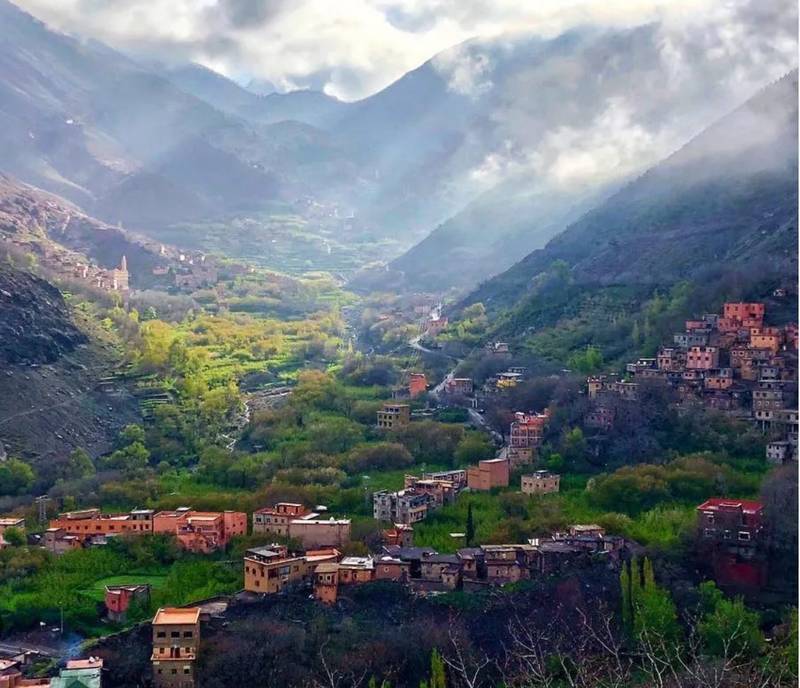
The Berber community, known for their incredible hospitality, invites visitors to experience their way of life, which is deeply intertwined with the natural environment. The villages, often constructed from traditional mud-brick, are a testament to architectural resilience and adaptation to the challenging terrain. Almost every interaction with the locals provides insight into their age-old traditions, whether through the vibrant textiles they skillfully craft or the meals shared with guests that reflect a fundamental sense of community.
The geography
The geography of this region is equally striking, characterized by rugged mountains, winding rivers, and verdant agricultural terraces. Such a landscape not only serves as a breathtaking backdrop for trekking but also provides the livelihood for the Berber villagers, who engage in farming and herding. This intricate balance between nature and culture serves to attract trekkers and adventurers eager to explore the harmonies and contrasts of the Imlil Valley setting. Together, the stunning vistas and the rich cultural fabric form a compelling narrative that brings visitors closer to understanding the essence of Moroccan life.
Cultural Encounters: Engaging with Local Berber Communities
A trek through the multicultural landscape of the Imlil Valley is not merely a journey through stunning terrain; it is also an invitation to engage deeply with the local Berber communities that have inhabited this region for centuries. These encounters provide trekkers with unique opportunities to immerse themselves in the rich cultural fabric of the Berber people. One of the quintessential experiences is staying in locally owned guesthouses, where visitors can explore the warmth of Berber hospitality firsthand.
During these stays, trekkers often gather with families to share traditional meals, offering an intimate glimpse into Berber culinary practices. Dishes such as tagine and couscous are not just meals but a means of conveying history and community values. The act of sharing food fosters connections, allowing travelers to ask questions and learn about local traditions, daily life, and the challenges faced by these mountain communities.
Participation in local customs enhances the trek beyond its geographical aspects. Whether it involves joining in a celebration, learning traditional music, or understanding textile craftsmanship, each interaction provides insights into the rich cultural history that shapes Berber identity. It is crucial, however, for trekkers to approach these interactions with respect and sensitivity. Simple gestures, such as asking permission before photographing individuals or participating in practices, exemplify acknowledgment of local customs and traditions.
Personal anecdotes underline the significance of these meaningful exchanges. For instance, one traveler reflecting on their stay described how sharing stories with a local Berber family profoundly changed their perspective on life in the mountains. These authentic cultural encounters create lasting memories, contributing significantly to the overall trekking experience. Through respectful engagement, trekkers not only enrich their own journeys but also contribute positively to the lives of the communities they visit.
Preparation and Tips for a Successful Trek
Embarking on a four-day Berber villages trek in Morocco’s Imlil Valley requires careful preparation to ensure a rewarding experience. One of the first steps is to select the right season for trekking. The best months to visit are typically from March to June and September to November, when the weather is mild and suitable for outdoor activities. During these times, you can fully appreciate the stunning landscapes and local culture.
Physical preparation is crucial for a successful trek. This journey involves varying terrain with significant altitude changes, so it is advisable to engage in stamina-building exercises beforehand. Activities such as hiking, jogging, or long walks can help increase cardiovascular fitness and ensure you are well-prepared for the trek’s demands.
Packing appropriately is vital for your comfort and safety. Essential items to include are a sturdy pair of hiking boots, weather-appropriate clothing, a high-quality sleeping bag, and a hydration system. Lightweight and durable gear is recommended to make your trek more manageable; however, do not sacrifice quality for weight. A first-aid kit, sunscreen, and insect repellent should also be included in your pack.
When considering the logistics, trekkers can choose to go solo or hire a guided tour. A local guide can greatly enhance your experience, sharing knowledge about local customs, culture, and geography, while also ensuring your safety on the trails. Additionally, responsible trekking practices are essential to preserve the unique beauty of the region. Always follow marked paths and adhere to the principle of leaving no trace, which helps protect the natural environment.
Finally, several online resources assist with planning and booking your trek, offering reviews and recommendations on local guides and service providers. Take advantage of these platforms to ensure all logistical details are covered before setting out on your adventure.